
When it comes to agricultural practices in Australia, net wrap has become an indispensable tool for farmers and producers looking to improve the efficiency and quality of their operations. This article will explore net wrap, its benefits, and its importance in the Australian agricultural landscape, all while keeping SEO in mind. For a premium net wrap, check this out.
What is Net Wrap?
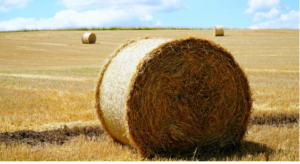 Net wrap is a type of packaging material specifically designed for the agricultural sector. It is typically used to wrap bales of hay, silage, or straw to preserve their quality and make transportation easier. Made from high-density polyethylene (HDPE) or similar materials, net wrap provides a reliable and durable solution for protecting the contents from environmental factors such as moisture, dirt, and pests.
The Benefits of Using Net Wrap
Enhanced Preservation of Forage Quality
One of the primary reasons Australian farmers choose net wrap is its ability to maintain the nutritional quality of their forage. When bales are wrapped in netting, they are less exposed to air and moisture, reducing the risk of mould and spoilage. It is particularly important in Australia, where fluctuating weather conditions can impact the quality of feed.
Improved Handling and Transportation
Net wrap allows for easier handling and transportation of bales. The lightweight yet strong material enables farmers to move larger quantities of bales without the risk of damage. Additionally, net-wrapped bales can be stacked more efficiently, maximising storage space.
Reduced Labor Costs
Using net wrap can significantly decrease labour costs. The application process is faster and more straightforward than traditional twine, which requires multiple passes and can be time-consuming. With a net wrap, bales can be secured in one smooth motion, saving valuable time and labour resources.
Versatility
Net wrap is versatile and can be used for various types of bales, including round and square bales of hay, silage, and straw. This adaptability makes it a popular choice among Australian farmers who may deal with different crops throughout the year.
Environmental Benefits
In an era where sustainability is paramount, net wrap offers environmental benefits as well. Its durability means that less material is needed over time compared to twine, reducing waste. Moreover, many manufacturers are now producing biodegradable options that further lessen environmental impact.
Choosing the Right Net Wrap
When selecting the suitable net wrap for your agricultural needs, consider the following factors:
- Size and Type of Bales: Different sizes of bales may require specific dimensions of net wrap. Ensure that the wrap you choose fits your bale type, whether it’s a round or square bale.
- Strength and Durability: The strength of the net wrap is crucial, especially in regions prone to harsh weather conditions. Look for a net wrap that can withstand UV exposure and extreme temperatures.
- Colour and Visibility: Some farmers prefer a coloured net wrap for easy identification in the field. Bright colours can also help with visibility when bales are stored outdoors.
The Importance of Net Wrap in Australia
Australia’s unique climate and agricultural practices make net wrap an essential tool for farmers across the country. With varying weather patterns, including periods of extreme heat, heavy rain, and drought, the ability to protect and preserve forage quality becomes critical.
Additionally, the Australian agricultural sector is increasingly focused on efficiency and sustainability. By utilising net wrap, farmers can optimise their operations, reduce waste, and contribute to a more sustainable future.
Where to Buy Net Wrap in Australia
Finding high-quality net wrap in Australia is easy, with many suppliers offering a range of options to suit your needs. Local agricultural supply stores and online retailers provide various net wrap products, ensuring that farmers have access to the materials they need.
Conclusion:
Net wrap is a vital component of modern agricultural practices in Australia. Its benefits, including improved preservation of forage quality, reduced labour costs, and versatility, make it a popular choice among farmers. As the agricultural landscape continues to evolve, adopting efficient and sustainable practices will be paramount, and net wrap is at the forefront of this change.