
Hazardous chemicals are integral to daily operations in various Australian industries, including manufacturing, agriculture, construction, and healthcare. However, when not handled correctly, these substances pose serious risks to human health, property, and the environment. It is where hazardous chemical advice from qualified professionals becomes indispensable.
Understanding the Risks of Hazardous Chemicals
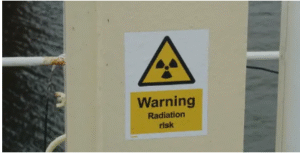 Hazardous chemicals include substances that are flammable, toxic, corrosive, reactive, or environmentally harmful. These chemicals can cause severe injuries, long-term health problems, or even fatalities if mishandled. Moreover, improper storage or disposal can lead to environmental contamination, legal penalties, and reputational damage for companies.
Common risks associated with hazardous chemicals include:
- Chemical burns and respiratory issues
- Explosions or fires due to reactive substances
- Contamination of water and soil
- Chronic illnesses from long-term exposure
These risks underscore the importance of implementing robust safety practices informed by expert guidance on hazardous chemicals.
Why Professional Advice is Essential
Relying on guesswork or outdated practices in handling hazardous substances can be catastrophic. Professional hazardous chemical advisors bring the technical knowledge and regulatory awareness required to ensure safety. Their expertise spans various critical areas:
1. Regulatory Compliance
Governments and regulatory bodies enforce strict laws regarding the use, storage, transport, and disposal of hazardous chemicals. Professionals in the field stay updated on evolving safety standards, such as those outlined in the Globally Harmonised System (GHS) and regulations from the Occupational Safety and Health Administration (OSHA) or local environmental protection agencies.
Professional hazardous chemical advice ensures that your company remains compliant, thereby reducing the risk of fines, shutdowns, or lawsuits resulting from non-compliance.
2. Risk Assessment and Management
One of the most valuable contributions of professional advisors is conducting thorough risk assessments. It involves identifying chemical hazards, evaluating the level of risk, and implementing control measures. A proper assessment helps determine the appropriate Personal Protective Equipment (PPE), safe handling procedures, and emergency protocols.
Professionals also advise on labelling, signage, ventilation, and containment strategies that mitigate exposure risks.
3. Employee Training and Awareness
Even with the best safety procedures in place, accidents can occur if employees are not properly trained. A professional advisor can design and deliver customised training programs to educate workers about the chemicals they handle. It includes safe usage, spill response, first aid, and emergency evacuation.
4. Chemical Storage and Inventory Management
Improper storage of hazardous chemicals can lead to dangerous reactions, leaks, or spills. Professionals advise on the correct storage methods, including segregation of incompatible substances, temperature controls, and secure containment.
Additionally, accurate inventory tracking is crucial to prevent overstocking, accidental mixing, or the use of expired chemicals. Advisors can recommend software systems or manual procedures to maintain organised and compliant records.
5. Incident Response and Recovery
When accidents involving hazardous chemicals do occur, having expert guidance can minimise damage and support a swift recovery. Professionals can develop or review emergency response plans tailored to specific chemicals and workplace conditions. They also assist in conducting post-incident investigations and implementing corrective actions to prevent recurrence.
Benefits of Seeking Hazardous Chemical Advice
The advantages of obtaining professional advice on hazardous chemicals extend beyond compliance and accident prevention. Here are some key benefits:
- Enhanced workplace safety – Protects employees and reduces absenteeism due to injuries or illness.
- Operational efficiency – Streamlined processes, fewer disruptions, and lower risk of chemical-related downtime.
- Cost savings – Prevents costly fines, cleanup operations, and damage to equipment or facilities.
- Environmental protection – Minimises ecological harm and supports sustainability goals.
- Improved reputation – Demonstrates a commitment to health, safety, and responsible practices.
Choosing the Right Advisor
Not all hazardous chemical advisors are created equal. It’s essential to collaborate with certified professionals who possess a comprehensive understanding of your industry and the specific chemicals in use. Look for consultants or safety firms with relevant accreditations, strong references, and a proven track record in chemical safety management.
Regular audits and consultations with these experts ensure that your safety practices evolve with technological advances and changing regulations.
Conclusion
In any environment in Australia where hazardous chemicals are used, safety should never be compromised. Professional hazardous chemical advice plays a vital role in identifying risks, ensuring compliance, training staff, and preparing for emergencies. Businesses that invest in expert guidance not only protect their people and assets but also demonstrate leadership in workplace safety and environmental stewardship.
Whether you are a small business dealing with basic solvents or a large industrial facility managing complex chemical processes, expert advice is crucial for handling hazardous substances safely and responsibly.