
Tendonitis is a common yet painful condition that can significantly affect your ability to move and perform daily tasks. Whether it’s caused by overuse, repetitive motions, or age-related wear and tear, tendonitis can be frustratingly persistent. Traditional treatments like rest, ice, anti-inflammatory medications, and physiotherapy can offer relief—but they often fall short, especially in chronic cases. Fortunately, shockwave therapy is emerging as a game-changing solution for treating tendonitis effectively and non-invasively in Adelaide.
Understanding Tendonitis and Its Challenges
 Tendonitis occurs when a tendon—the thick cord that connects muscle to bone—becomes inflamed or irritated. This inflammation often results from repetitive movements or sudden injuries. Common types of tendonitis include:
- Achilles tendonitis (back of the ankle)
- Rotator cuff tendonitis (shoulder)
- Tennis elbow (outer elbow)
- Golfer’s elbow (inner elbow)
- Patellar tendonitis (knee)
Tendonitis is not only painful but can also become chronic if left untreated or improperly managed. Once it becomes chronic, healing can slow down dramatically due to poor blood supply to the tendon tissue. It is where shockwave therapy steps in as a powerful tool to stimulate healing at a deeper level.
What Is Shockwave Therapy?
Shockwave therapy, or extracorporeal shock wave therapy (ESWT), is a non-invasive procedure that delivers high-intensity sound waves to specific areas experiencing pain or soft tissue damage. This treatment enhances blood circulation, helps break down scar tissue, and activates the body’s natural repair mechanisms. It’s particularly beneficial for tissues with poor blood flow, such as tendons.
Unlike surgical interventions or prolonged use of medications, shockwave therapy provides a safer, low-risk alternative for managing chronic tendon problems, often with minimal recovery time and few side effects.
How Shockwave Therapy Works for Tendonitis
The principle behind shockwave therapy is to reintroduce controlled microtrauma to the affected tendon. It stimulates the body to react by increasing blood flow, triggering an inflammatory response that helps restart the healing process, and promoting the regeneration of healthy tissue.
Here’s how shockwave therapy helps in tendonitis treatment:
- Increases blood supply to the damaged tendon
- Stimulates collagen production, which is essential for tendon repair
- Breaks down calcified deposits and scar tissue that hinder healing
- Reduces pain by desensitising nerve endings
- Improves mobility and function over time
Benefits of Shockwave Therapy for Tendonitis
An increasing number of physiotherapists, sports medicine specialists, and orthopaedic clinics are incorporating shockwave therapy into their treatment plans. Here’s why:
1. Non-Invasive Alternative to Surgery
Shockwave therapy provides a non-surgical solution for patients who want to avoid the risks and recovery time associated with invasive procedures.
2. Faster Recovery Time
Most patients begin to experience pain relief after just a few sessions. The accelerated healing process can help individuals return to their regular activities sooner.
3. Minimal Side Effects
Aside from minor discomfort or redness at the treatment site, side effects are rare and short-lived compared to medications or surgical recovery.
4. Long-Term Results
Unlike short-term painkillers or steroid injections, shockwave therapy promotes real tissue healing. It often results in longer-lasting pain relief and improved function.
5. Cost-Effective in the Long Run
Though the initial cost of treatment may be higher than basic physiotherapy, the long-term benefits—fewer sessions, no need for surgery, and reduced reliance on medication—can save money over time.
Conditions Where Shockwave Therapy Excels
Shockwave therapy has shown exceptional results in treating:
- Achilles tendonitis: Stimulates healing in the thick tendon at the back of the ankle.
- Rotator cuff tendonitis: Helps relieve shoulder pain caused by overuse or impingement.
- Tennis and golfer’s elbow: Alleviates persistent pain in the forearm tendons.
- Patellar tendonitis: Reduces knee pain, especially in athletes and runners.
Studies have reported success rates between 70% to 90% in these conditions, particularly when combined with a structured rehabilitation program.
What to Expect During Treatment
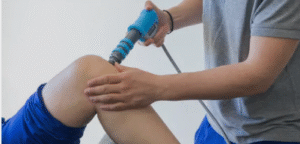
A typical session lasts between 15 to 30 minutes, depending on the size and location of the tendon being treated. A gel is applied to the skin, and a handheld device delivers targeted shockwaves to the area. Most patients tolerate the treatment well, experiencing only mild discomfort. A course of 3 to 6 treatments is usually recommended for optimal results.
Is Shockwave Therapy Right for You?
While shockwave therapy is safe and effective for most people with chronic tendonitis, it may not be suitable for individuals with certain medical conditions, such as blood clotting disorders, nerve damage, infections, or those who are pregnant. A qualified healthcare provider can assess your condition and determine if shockwave therapy is an appropriate option.
Conclusion
Tendonitis can be a stubborn and painful condition, but shockwave therapy is transforming how it’s treated. By promoting natural healing, improving mobility, and reducing pain without surgery, this innovative therapy is helping countless individuals reclaim their active lifestyles.
If you’ve been struggling with ongoing tendon pain that doesn’t respond to traditional treatments, it might be time to explore how shockwave therapy can make a lasting difference.