
Silage film is an essential tool for Australian farmers looking to enhance the quality and preservation of their hay. This specialised plastic wrap is designed to create an anaerobic environment, crucial for the fermentation process that turns green forage into nutritious silage. In this article, we will delve into the importance of silage film, its benefits, and tips for choosing the right product for your needs in Australia. For more information about the silage film cost by bulk, click here.
What is Silage Film?
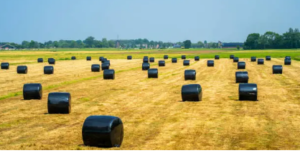 Silage film is a type of plastic wrap used to cover hay, which is fermented, high-moisture fodder that can be fed to ruminants like cattle and sheep during periods when fresh forage is not available. The primary function of silage film is to create an airtight seal that promotes anaerobic fermentation, preserving the nutritional value of the forage and preventing spoilage.
Benefits of Using Silage Film
- Enhanced Preservation: The primary benefit of silage film is its ability to preserve the forage. By creating an airtight seal, the silage film prevents oxygen from entering the silage pile or bale, which is crucial for maintaining the quality of the forage.
- Nutritional Retention: Properly sealed silage retains more nutrients compared to forage that is not adequately covered. It means that livestock receive higher-quality feed, leading to better health and productivity.
- Reduction in Waste: Sile film helps reduce waste by minimising spoilage. Farmers can store their forage for more extended periods without worrying about significant losses due to spoilage or mould.
- Cost-Effective: Although there is an initial investment in purchasing silage film, the long-term benefits of reduced waste and improved livestock health make it a cost-effective solution for Australian farmers. For more information about the silage film cost by bulk, click here.
Types of Silage Film
There are several types of silage film available in the Australian market, each with unique properties to suit different farming needs:
- Standard Silage Film: This is the most commonly used type of silage film. It typically consists of several layers of polyethylene, providing good puncture resistance and UV stability.
- Oxygen Barrier Film: Oxygen barrier films are designed to offer superior protection against oxygen ingress, further enhancing the fermentation process and preserving the nutritional value of the hay.
- Stretch Film: Stretch film is often used to wrap round bales. It is highly elastic and provides a tight seal around the bales, which is essential for preventing air from entering and causing spoilage.
- Biodegradable Silage Film: With increasing environmental concerns, biodegradable silage films are gaining popularity. These films offer the same protective qualities as traditional films but are designed to break down more quickly in the environment.
Choosing the Right Silage Film
Selecting the proper silage film for your farm involves considering several factors:
- Durability: The film should be strong enough to withstand handling and storage conditions without tearing or puncturing.
- UV Resistance: In Australia’s harsh climate, UV resistance is crucial to prevent the film from degrading under prolonged sun exposure.
- Thickness: Thicker films generally offer better protection and durability. However, they may also be more expensive, so it’s essential to balance cost and performance.
- Adhesion: Good adhesion ensures that the film sticks well to itself, creating a tight seal that prevents air from entering the silage.
- Environmental Impact: Consider opting for biodegradable or recyclable options to reduce your farm’s environmental footprint. For more information about the silage film cost by bulk, click here.
Tips for Effective Use of Silage Film
- Proper Application: Ensure that the film is applied tightly and evenly around the hay. It helps create an effective anaerobic environment necessary for proper fermentation.
- Regular Inspection: Check the wrapped silage regularly for any signs of damage or air leaks. Promptly repair any tears or punctures to maintain the quality of the hay.
- Storage Conditions: Store wrapped silage in a shaded area to protect it from direct sunlight and extreme weather conditions. It helps extend the lifespan of the silage film.
Conclusion:
Silage film is an indispensable tool for Australian farmers aiming to preserve their forage efficiently and cost-effectively. By understanding the types of silage film available and how to choose and use them properly, farmers can ensure their livestock receive the best possible nutrition throughout the year.