
Incontinence is a condition that affects millions of Australians, from young adults managing health conditions to older individuals navigating age-related changes. Whether temporary or ongoing, managing bladder leakage effectively requires products that offer protection, discretion, and comfort. Incontinence pads have become a trusted solution, and choosing the right one can make a significant difference in quality of life. This article offers a comprehensive guide to help Australian consumers select the best incontinence pads tailored to their needs—without compromising on cost-effectiveness, confidence, or comfort.
Understanding Incontinence: Types and Needs
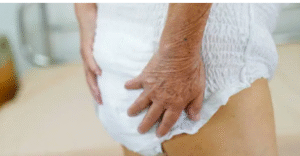 Before selecting incontinence pads, it’s crucial to understand the type of incontinence you’re managing. The most common forms include:
- Stress incontinence (leakage during movement or physical exertion, like coughing or laughing)
- Urge incontinence (a sudden, intense urge to urinate)
- Overflow incontinence (frequent dribbling due to a full bladder)
- Functional incontinence (when physical or cognitive limitations interfere with timely bathroom use)
Each type may require different levels of absorbency, fit, and functionality. Knowing your condition is the first step in selecting the right incontinence pads for optimal daily support.
Key Features to Consider When Buying Incontinence Pads
Absorbency Levels
One of the most critical factors is absorbency. Incontinence pads come in a wide range—from light pads for small leaks to heavy-duty overnight options for complete bladder loss.
- Light absorbency: Ideal for stress incontinence or occasional drips
- Moderate absorbency: Suitable for small to medium leaks
- Heavy absorbency: Best for frequent or overnight protection
Look for pads that quickly wick moisture away from the skin and have a dry-touch top layer to prevent irritation and maintain skin health.
Size and Fit
Incontinence pads should conform comfortably to the body to prevent leakage and chafing. Many products are designed ergonomically to fit the natural contours of both men and women, while unisex options are also available.
Size matters—too small and it may not provide enough coverage; too extensive and it could shift or bunch up during movement. Always refer to the manufacturer’s sizing chart before purchasing.
Material and Breathability
Comfort is critical when wearing incontinence pads for extended periods. Look for breathable, hypoallergenic materials that reduce skin irritation. Cotton-like topsheets and odour-control layers enhance the user experience by promoting hygiene and discretion.
Discreetness and Odour Control
Modern incontinence pads are designed to be discreet under clothing. Choose products with a slim profile, noise-free materials, and neutral packaging. Integrated odour control is another essential feature, especially for people with active lifestyles or those who work in public-facing roles.
Types of Incontinence Pads Available in Australia
Disposable Pads
These are the most common incontinence pads in Australia. They offer convenience and hygiene, especially for people on the go. Brands like TENA, Poise, and Depend offer a variety of styles catering to different needs.
Reusable Cloth Pads
An eco-friendly alternative, reusable incontinence pads are machine washable and suitable for people with light to moderate leakage. While the upfront cost may be higher, these products provide long-term savings and reduce waste.
Male Guards and Female Liners
Some brands produce gender-specific incontinence pads that accommodate anatomical differences, offering a more secure fit and better absorbency in the right areas.
Cost-Effectiveness: Balancing Quality and Budget
Managing incontinence can be expensive over time, especially when using high-quality disposable products. However, there are ways to balance performance and price:
- Buy in bulk: Many suppliers offer discounts for multi-pack purchases.
- Subscribe and save: Some online retailers provide subscription models that lower the per-unit cost.
- Government assistance: Australians may be eligible for support through the National Disability Insurance Scheme (NDIS) or the Continence Aids Payment Scheme (CAPS), which helps subsidise the cost of incontinence products.
Don’t automatically choose the cheapest option—compromising on quality can lead to discomfort, leaks, or skin irritation. Instead, find products with the right balance of reliability, cost, and comfort.
Conclusion:
Choosing the right incontinence pads in Australia doesn’t have to be overwhelming. By understanding your needs, prioritising quality, and exploring available support options, you can find a product that delivers comfort, discretion, and affordability. Incontinence is a manageable condition—and the correct pad can restore your confidence and independence.
With the growing availability of well-designed incontinence pads on the Australian market, more people than ever are able to live life fully, knowing they are protected every step of the way.